

Illegal Mining Near Railway Bridges in J&K Raises Safety Concerns
Jammu & Kashmir: Illegal mining activities carried out by local operators near railway bridges have emerged as a serious concern for the #Safety and #stability of critical railway infrastructure. Extraction of sand, gravel, and stones from riverbeds around bridge foundations has reportedly disturbed the natural river course and weakened the protective surroundings of bridge piers.
Railway bridges are designed to withstand heavy train loads and varying river conditions. However, unauthorized #mining close to bridge foundations can increase the risk of scouring, erosion, and structural instability. Experts warn that continuous removal of riverbed material may expose bridge foundations to stronger water currents, potentially affecting the long-term safety of the structures.
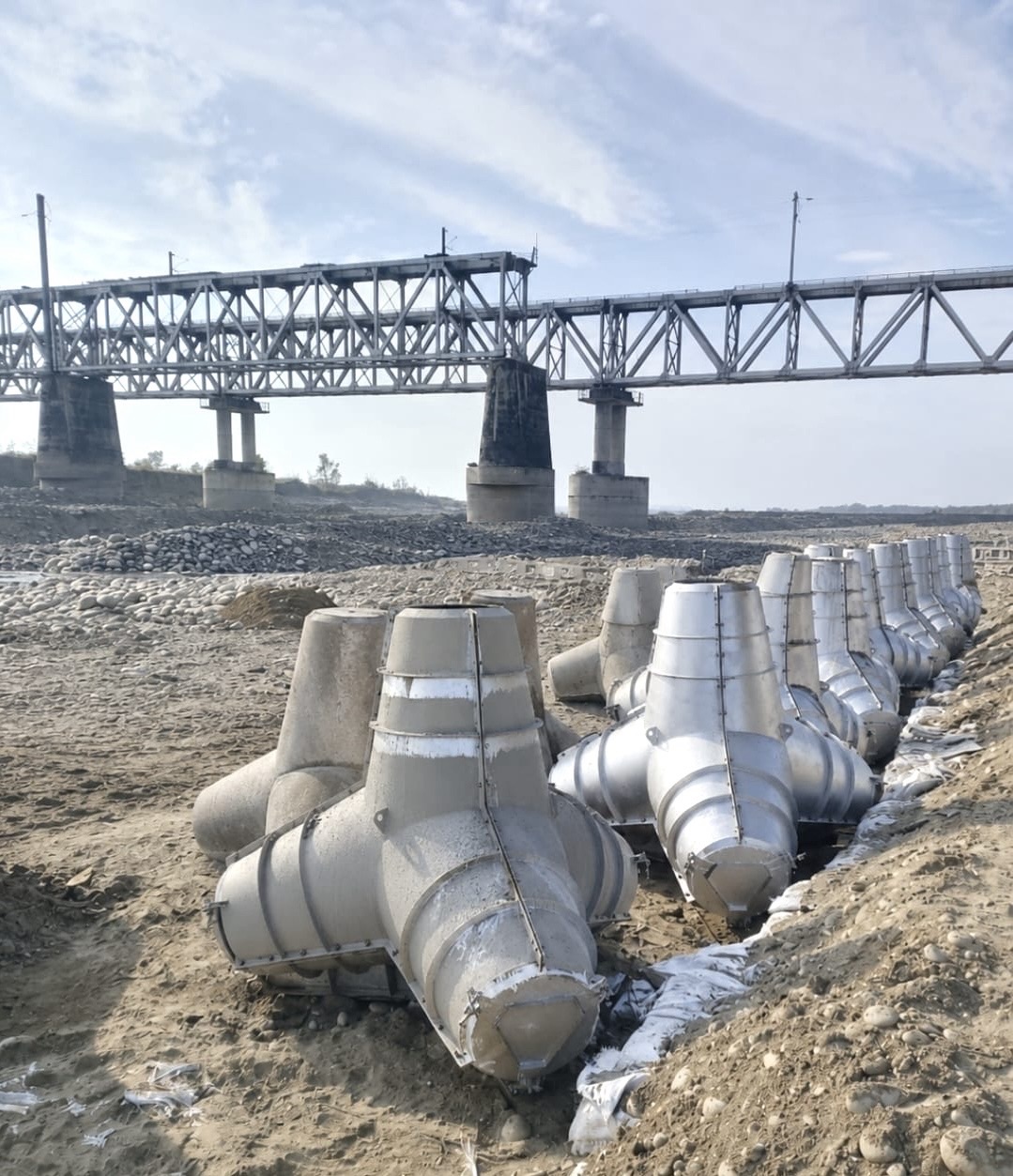
As concerns grew over the impact of illegal mining, railway authorities initiated extensive safety measures to protect vulnerable bridges. Significant expenditure has been incurred on the installation of protective structures, strengthening works, and river-training measures around bridge foundations. The objective of these projects is to safeguard railway assets and ensure uninterrupted train operations.
The newly installed protective components, seen at several bridge sites, are designed to reduce erosion, stabilize the riverbed, and protect bridge piers from damage during high-flow conditions. Railway engineers and maintenance teams continue to monitor these locations to assess risks and implement additional protective measures where required.
Officials have emphasized that preventing illegal mining near railway infrastructure is essential to avoid unnecessary public expenditure. They have called for stronger enforcement, regular inspections, and coordination among local authorities, mining regulators, and railway departments to protect national assets and ensure passenger safety.
The issue highlights how unauthorized mining activities can lead to increased maintenance costs and force railway authorities to spend substantial public funds on remedial and preventive works that could otherwise be avoided through effective regulation and enforcement.