

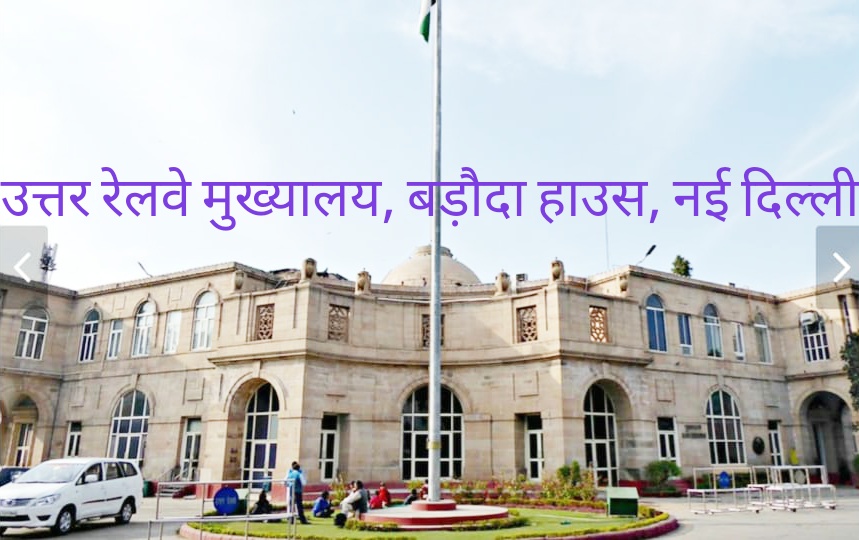
Birthing a Monopoly: Northern Railway’s ₹40-Crore PQR Tenders Under Fire
Eligibility Conditions are tailor made to suit Only One Vendor in the Race—Outcome of the Tenders is a foregone conclusion
A fresh controversy has emerged over Northern Railway’s procurement of Power Quality Restorer (#PQR) systems, with industry observers alleging that recent #tenders worth over ₹40 crore are effectively structured to allow participation by only a single supplier—making the outcome appear pre-decided.
The issue comes at a time when the Railways’ own standards body—RDSO—is actively developing multiple #vendors to address the growing challenge of harmonic distortion in #traction power systems.
The PQR system was formally added to the #RDSO Vendor Directory on 22 April 2025 following directives from the Railway Board. The move came after several State Electricity Boards (#SEB) flagged excessive harmonics in railway traction load. Tamil Nadu Electricity Board has already imposed penalties, while SEBs in Punjab and Haryana are pursuing similar action.
In response, RDSO initiated #vendor development for #PQR, and several private manufacturers have since submitted applications seeking approval to enter the market.
But while Vendor Development is underway, #Tender conditions on the ground tell a very different story.
Tender Clauses Leave Only One Eligible Vendor
#NorthernRailway (Electrical–Construction) recently floated two tenders to procure PQR systems:
- Tender No. 17-Elect-C-UMB-PQR-II-138 (4 units) — Finalised in July 2025, awarded to one firm
- Tender No. 17-El-C-MB-PQR-2x25KV-142 (3 units) — Due on 25 November 2025 (extended from the original 14 November date)
Although both tenders were issued as open competitions, the #eligibility clause requires prior execution of power-quality or harmonic-mitigation systems for Railways, SEBs, Power Grid, government utilities, PSUs, or listed companies. In practice, only one supplier meets this criterion, owing to its previous PQR work for Indian Railways.
Industry experts call this a clear contradiction: RDSO is developing new vendors, yet Northern Railway’s eligibility norms prevent them from participating.
Vendor Development on Paper, Monopoly on Ground
Stakeholders highlight a widening gap between policy intent and tender execution:
- RDSO mandate: Develop multiple vendors and broaden market access
- Tender reality: Eligibility tailored to one past supplier
- Outcome: All new applicants are automatically disqualified despite having applied to RDSO
Several manufacturers say the #criteria are “custom-built for a single company,” undermining competition and defeating the purpose of vendor development.
Signs of an Emerging Monopoly
Data indicates a consistent pattern of dependence on the same supplier:
- 9 PQR units already installed by the firm
- 6 units under testing and commissioning
- 4 units newly ordered
- 3 units now under tender — widely expected to follow previous outcomes
If the present eligibility conditions continue, experts warn that Indian Railways may lock itself into a long-term single-vendor situation with limited bargaining power.
Significant Financial Implications
Together valued at more than ₹40 crore, the latest PQR tenders are only the beginning. With a far larger number of Traction Sub-Stations (#TSS) expected to require PQR installations, a monopolised procurement model could lead to price escalation, reduced innovation, and lack of performance benchmarking.
Industry Calls for Alignment with RDSO Framework
Manufacturers who have applied to RDSO argue that since PQR is an RDSO-controlled item, RDSO should frame the eligibility norms which should be broad-based and aligned with RDSO’s vendor development pathway. They say this is the only way to ensure #competition, #transparency, and long-term #cost efficiency for Railways.
Whether #RailwayBoard or Northern Railway revisits these conditions will determine whether the PQR procurement ecosystem remains monopolistic—or evolves into a competitive, multi-vendor marketplace as originally intended.