

High-Voltage Shock: How the Supreme Court’s ‘Consumer’ Tag Derails the Indian Railways’ Cheap Power Dream
Green Goals on the Siding: Why the Supreme Court Power Ruling Slows India’s Net-Zero Journey
- The Renewable Energy Tax: How Surcharges Make Green Power Unaffordable
- Mission 2030 at Risk: The Escalating Cost of 100% Electrification
- Captive Generation: The Railways’ Last Hope to Bypass the Consumer Label
It’s a complex intersection of law, economics, and infrastructure. It definitely puts the Railways in a tough spot between their “Net Zero” ambitions and the sudden weight of these state surcharges
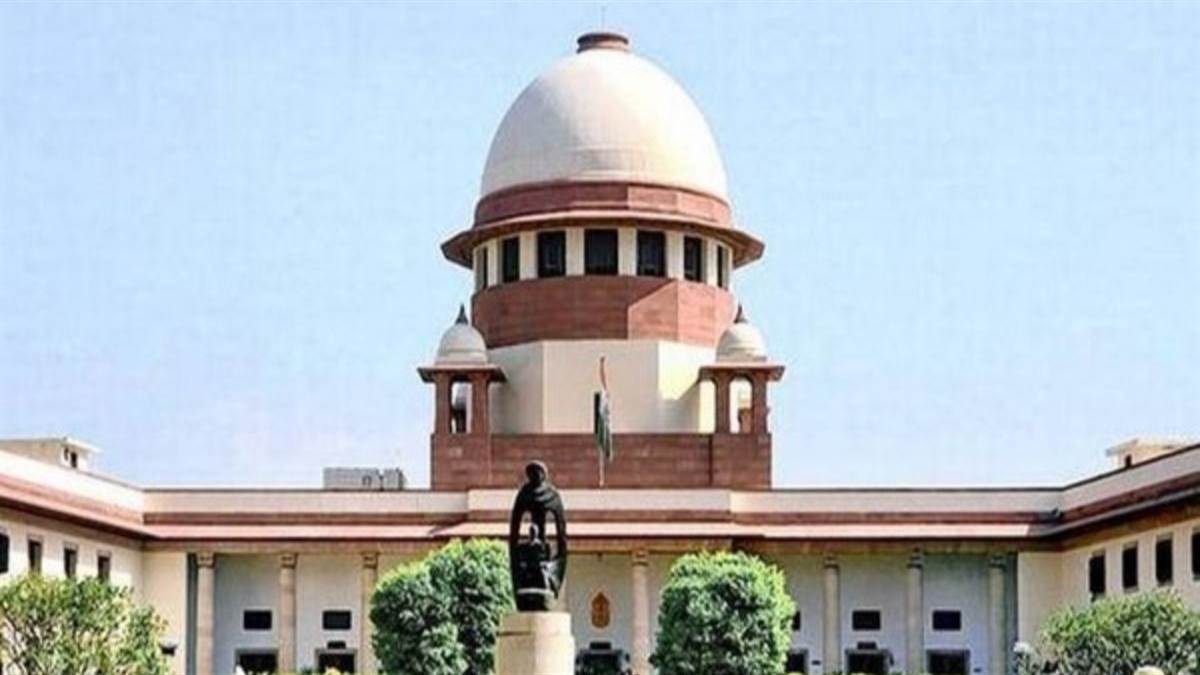
For years, the Indian Railways operated under the assumption that its sheer size and status as a Central Government entity granted it special privileges in the power sector. That assumption has been decisively dismantled. On May 8, 2026, the Supreme Court of India (#SC) ruled that the national transporter is merely a “consumer” of electricity, not a “Deemed Distribution Licensee” (#DDL).
By stripping the Railways of this distributor status, the apex court has mandated that it must pay Cross-Subsidy Surcharges (#CSS) and Additional Surcharges (#AS) to local State Distribution Companies (#DISCOMs) when buying electricity from private generators via “open access.”
Here is an in-depth analysis of what this ruling means, how much it will cost, and its cascading impact on the Indian Railways-
1. The Core Legal Nuance: Consumer vs. Distributor
The dispute, which dates back to 2015 in Maharashtra, boiled down to a fundamental question: Is the Indian Railways a power distributor or a power consumer?
- The Railways’ Argument: Because it maintains a vast internal network of wires and substations to “convey” electricity to its trains and stations, it acts as a distributor. Therefore, as a “deemed licensee,” it should be exempt from paying surcharges to state DISCOMs.
- The Supreme Court’s View: The bench applied a “functionality test.” To be a distributor under the Electricity Act of 2003, an entity must supply and sell power to third-party consumers. Because the Railways uses the electricity entirely for its own captive consumption (traction and signalling), it is an end-user.
2. The Financial Jolt: How Much Will It Cost?
The immediate order from the Supreme Court requires state DISCOMs to calculate the outstanding CSS and AS owed by the Railways for the entire period it utilized open access. The financial blow will be colossal, categorized in two ways:
- Massive Arrears (The Backlog): Since the Central Electricity Regulatory Commission (#CERC) initially ruled in favour of the Railways in 2015, the transporter has been procuring open-access power for over a decade without paying these state surcharges.
- The Exact Cost Estimate: While national final calculations are underway, historical filings before the Appellate Tribunal for Electricity (#APTEL) provide a stark preview. In the state of Odisha alone, it was estimated that exempting the Railways from CSS was causing a revenue loss of approximately ₹393 crore per year to local DISCOMs. When this state-level deficit is extrapolated across the vast railway networks of highly industrialized states (like Maharashtra, Gujarat, Uttar Pradesh, and West Bengal) over a 10-year span, the total retroactive liability will run into thousands of crores of rupees (conservatively estimated at over ₹2,500 – ₹4,000+ crores annually on a nationwide basis).
3. The Impact on the Operating Ratio
The Railways’ “Operating Ratio” (the amount it spends to earn every ₹100) is a critical metric of its financial health. Because electricity is one of the highest variable expenses for the Railways (alongside diesel and employee pay and pensions), the sudden spike in the “landed cost” of power will heavily inflate procurement expenses, driving the operating ratio to an unhealthier level.
4. A Speedbreaker for the Green Energy Transition
The most severe collateral damage of this ruling will be on India’s climate goals. The Railways has been aggressively pushing toward becoming a “Net Zero Carbon Emitter” by signing bilateral power purchase agreements (PPAs) with renewable energy generators (solar and wind) through open access.
- Industry legal experts have warned that imposing heavy CSS and AS on these bilateral agreements makes green power significantly more expensive. This steep increase in landed procurement costs will act as a serious impediment to the Railways’ transition to clean energy, potentially slowing down India’s broader Nationally Determined Contribution (#NDC) targets.
5. The Ripple Effect: Will Fares Go Up?
Historically, the Railways argued that buying cheap power directly from generators allowed them to reduce their financial burden, thereby subsidizing and maintaining low passenger fares and freight rates. With an impending bill of thousands of crores and permanently higher monthly electricity costs going forward, the Railways will face immense pressure to pass this burden onto the public. This could inevitably lead to increased freight transportation costs—which drives up the inflation of goods—and potential hikes in passenger ticket fares.
6. The Social Equity Argument: Why Did the Court Rule This Way?
The Supreme Court did not pass this ruling in a vacuum; it noted the severe financial strain on state DISCOMs. Surcharges like the CSS are not just taxes—they are an economic tool used by DISCOMs to subsidize cheap power for vulnerable populations, such as farmers and low-income households. If a high-volume, high-revenue consumer like the Indian Railways is allowed to abandon the local grid via open access without paying these surcharges, the entire financial burden of subsidizing the poor falls onto everyday domestic consumers.
The Road Ahead
While the Indian Railways will be granted time to respond to the DISCOMs’ multi-crore invoices, its immediate legal avenues have been exhausted. Its only remaining hope lies in the legislature. The upcoming Draft Electricity (Amendment) Bill, 2025 purportedly contains provisions that could progressively eliminate CSS for the Railways in the future. However, until that bill becomes law, the national transporter will have to foot a massive, high-voltage bill for its historical and current power usage. Continues..