

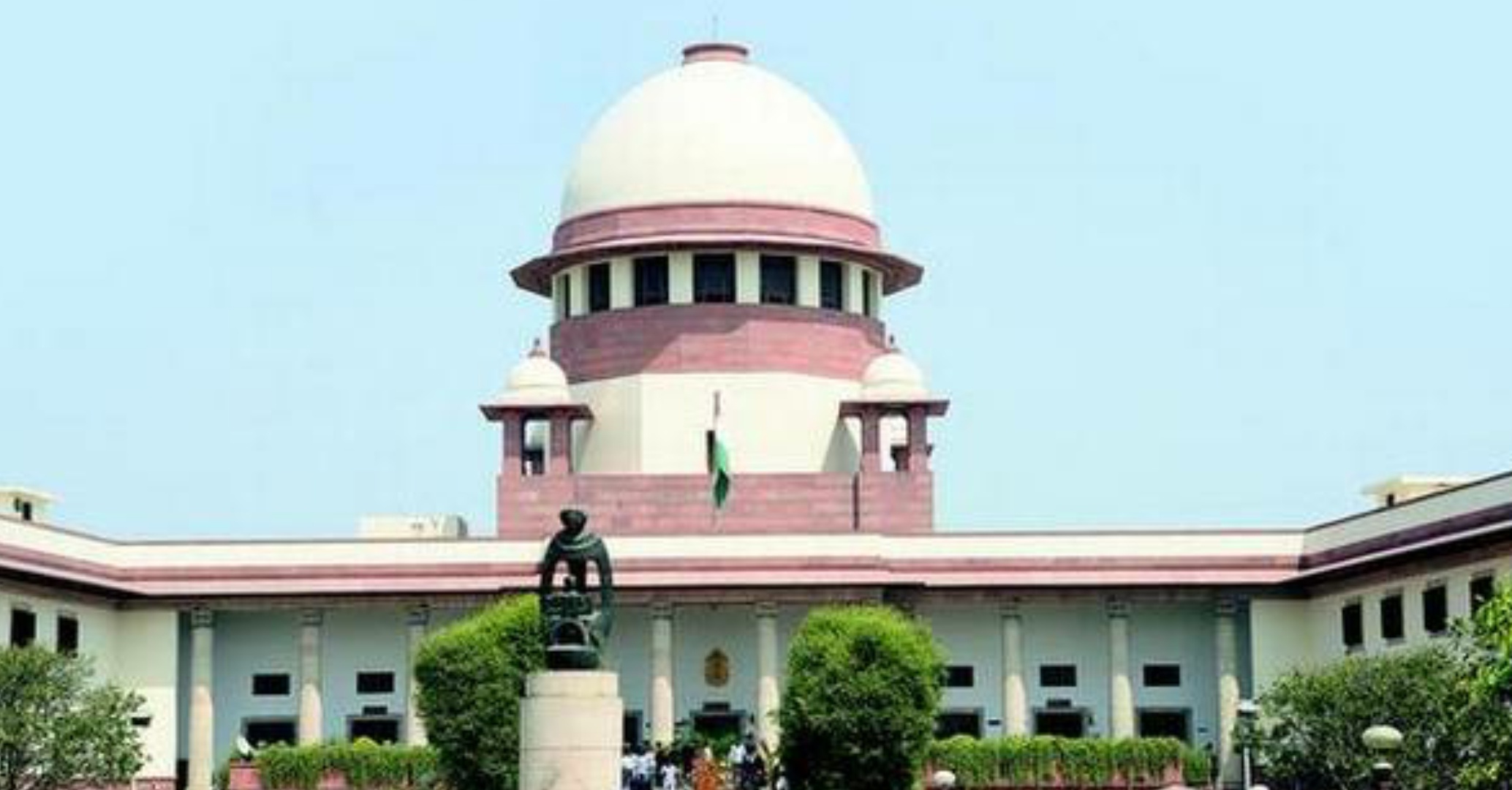
The Railway magistrate was attempting to be a judge in his own case -Supreme Court
“The established principle of law is that no one can be a judge in their own case” -Supreme Court
“Railway magistrates are limited to judicial functions and cannot interfere in staff deployment, internal management, or administrative decisions” -Supreme Court
The then SrDCM/Ambala Praveena Gaud Dwivedi fought a legal battle for almost ten years and won the battle!
This decision will clearly define the boundaries of the railway administration and the judiciary, and will effectively prevent such disputes in the future
The Supreme Court, in a landmark judgment on a decade-old dispute between a railway magistrate and railway administration, has clarified the limits of the powers of Special Railway #Magistrates (#SRMs). The apex court stated that railway magistrates cannot interfere in the internal administrative affairs of the railways or the functions of its officers.
In 2016, in #Ambala Division of Northern Railway, Railway Magistrate #NitinRaj had demanded that the then Senior Divisional Commercial Manager (#SrDCM), Praveena Gaud Dwivedi, a #IRTS officer, provide a permanent magistrate’s squad for ticket checking.
SrDCM #PraveenaGaudDwivedi refused to provide the squad, citing railway rules and administrative reasons, and submitted an affidavit to that effect. Considering this a defiance of his order, the magistrate filed a defamation case against her and initiated contempt proceedings. This case remained pending in lower courts and the High Court since September 2016, where judgments were delivered in favour of the magistrate. Actually this was a kind of a judicial activism and favour, finally SrDCM Praveena Gaud challenged these orders in the Supreme Court.
The Supreme Court clarified that railway magistrates are limited to judicial functions and cannot interfere in staff deployment, internal management, or administrative decisions. The apex court termed the magistrate’s actions an abuse of power and quashed all previous orders.
The supreme court dismissed the defamation and contempt cases filed by the then Railway Magistrate of Ambala, Nitin Raj, against then senior divisional commercial manager, Ambala Praveena Gaud Dwivedi.
The judgment was delivered on January 13 by a bench of Justices M. M. Sundresh and N. K. Singh. The Supreme Court not only quashed the railway magistrate’s orders but also made strong observations regarding the judgments of the Punjab & Haryana High Court and the District Sessions Court in this case.
The apex court stated that in this instance, the magistrate was attempting to be a judge in his own case, while the established principle of law is that no one can be a judge in their own case.
Praveena Gaud Dwivedi fought a legal battle for almost ten years in this case. The Supreme Court’s judgment has provided her with significant legal relief. She is currently working as a Registrar in the Railway Claims Tribunal.
According to legal experts, this decision will clearly define the boundaries of authority between the railway administration and the judiciary and will effectively prevent such disputes in the future.